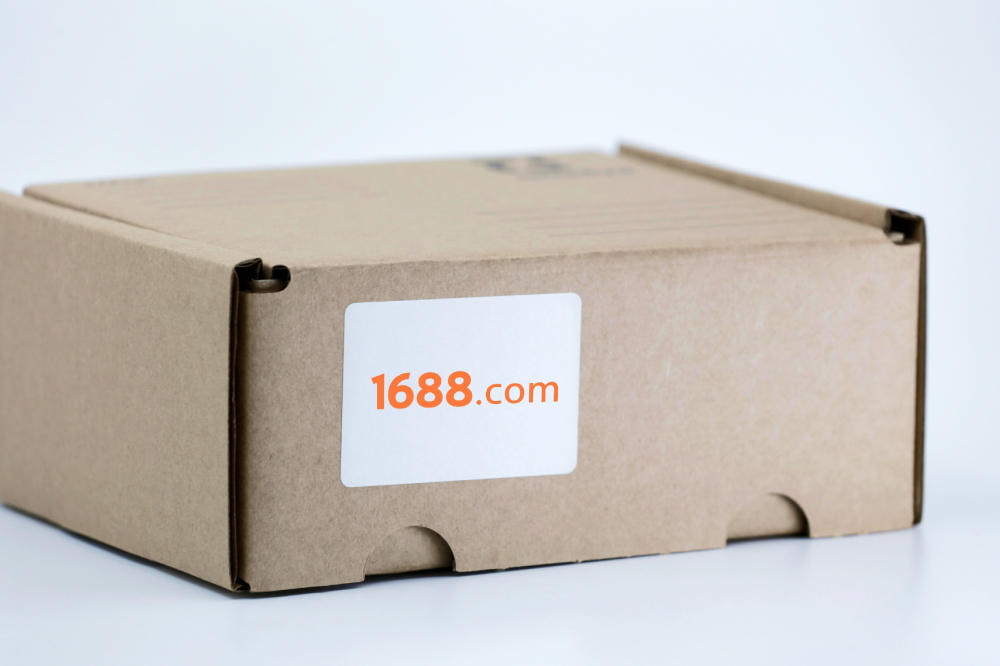

If you've ever sourced products through Alibaba.com, you've likely come across its lesser-known counterpart: 1688.com. Frequently referred to as “domestic Alibaba,” 1688 is a B2B service owned by the Alibaba Group that primarily caters to Chinese businesses. As the line between global and local sourcing continues to blur, more international companies are eyeing 1688 for its ultra-low pricing, vast product range, and direct access to manufacturers. But is 1688 safe?
What Is 1688?
1688.com is a domestic B2B e-commerce platform that connects Chinese wholesalers, factories, and manufacturers with businesses across China. Unlike Alibaba.com, which is designed for international buyers, 1688 was built for the Chinese market, which makes it incredibly competitive on price.
TLDR:
- 1688 is a legitimate Alibaba-owned B2B marketplace built for China's domestic market, so success hinges on vetting suppliers: check company longevity (at least 3 years in business), employee count (50-500), office space (200+ square meters), and the "Delivery Guarantee" badge.
- You can enforce your IP on 1688 through Alibaba's IP Protection Portal, but you must first create and verify an account, then register your trademarks, patents, or copyrights before any takedown complaint will be accepted.
- 1688 prices run about 10-30% below Alibaba.com thanks to factory-direct access, but the Chinese-only interface, Alipay-based payments, and limited buyer protections raise the counterfeit risk for foreign buyers.
- Alibaba reviews complaints in 1-3 business days and gives sellers about 3 days to respond, so monitor your dashboard and email closely: slow replies can let the case be dropped in the seller's favor.
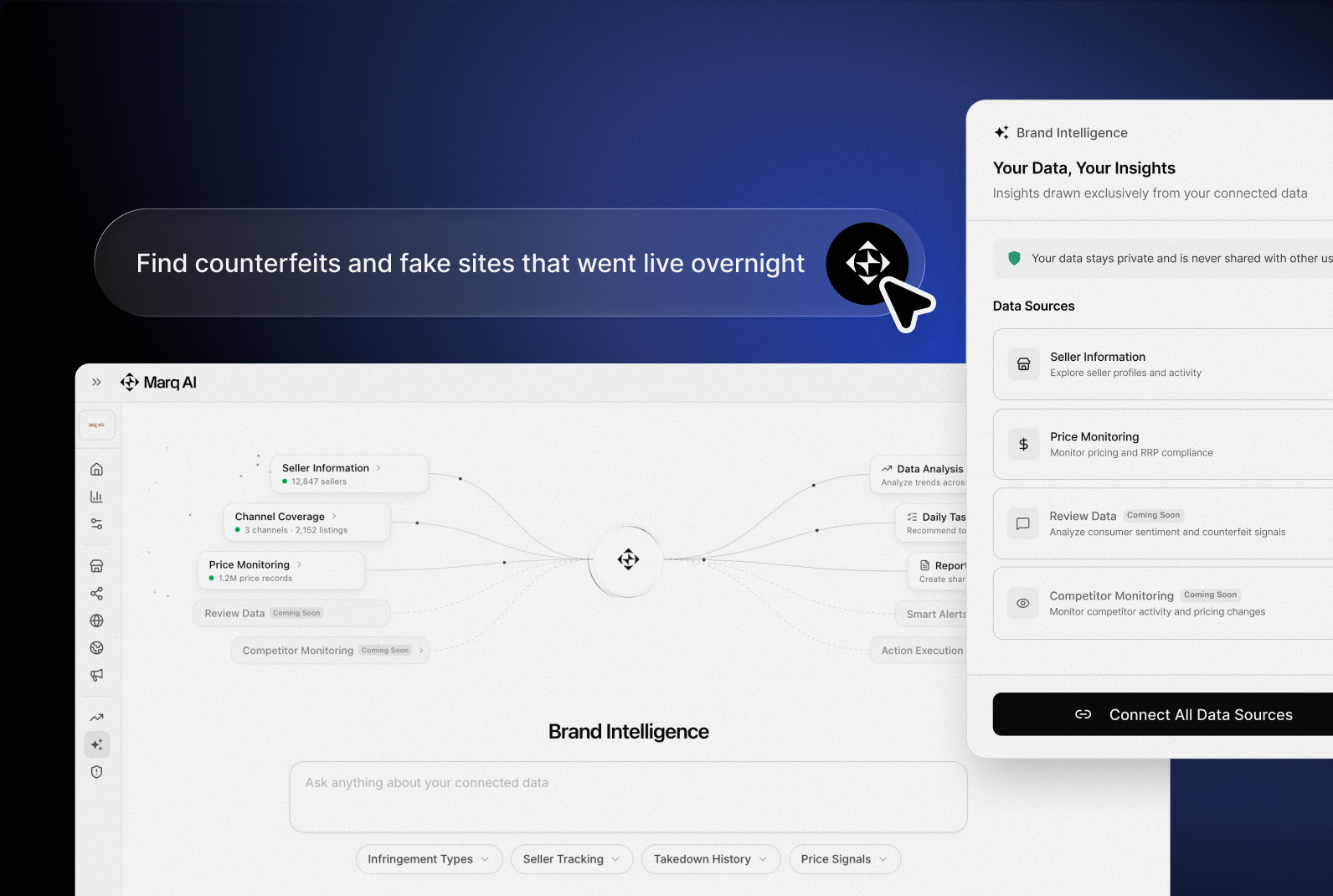
- MarqVision monitors 1688 for infringing listings, detects violations with AI, and automates takedowns so your team can focus on growth instead of manual enforcement.
However, lower prices often come with trade-offs, including limited buyer protections, challenging logistics, and higher counterfeit risks: especially for foreign buyers unfamiliar with China’s domestic commerce ecosystem. 1688 is not a scam site, but buyers must approach it with caution. Vetting is critical. Knowing how to evaluate supplier listings, check for business legitimacy, and enforce your IP rights is what separates a smart sourcing strategy from a risky one.
Is 1688 Legit? Understanding the ’s Strengths
Despite its risks, 1688 offers compelling advantages for experienced buyers who know how to work the site. One of the biggest draws is pricing: because most sellers on 1688 are direct factory owners instead of intermediaries, buyers benefit from minimal markups and factory-direct rates. Competitive pressure among local suppliers can also drive prices down, which is why some buyers find 1688 pricing attractive for bulk orders.
Another key benefit is flexibility. Many suppliers on 1688 offer low minimum order quantities, sometimes allowing buyers to purchase just one or two units. This makes it easy for businesses to test product quality before committing to larger orders. In addition, buyers gain direct access to manufacturers, which usually means easier customization, clearer communication, and more favorable pricing negotiations: advantages that are often lost when dealing through trading companies or agents.
Before deciding where to source, it helps to weigh 1688 against Alibaba.com side by side. The table below breaks down how the two platforms compare on the factors that matter most to brand and sourcing teams.
When Is 1688 Risky? How to Vet Suppliers
The biggest concern when sourcing from 1688 is product authenticity. Because the platform was built primarily for China’s domestic market, it lacks many of the safeguards that international buyers expect. Intellectual property protection is weaker, which makes it easier for bad actors to list counterfeit products that mimic popular brands right down to the logos and packaging.
1688’s interface is entirely in Chinese, which creates a steep learning curve for global users trying to vet listings or communicate with suppliers. Transactions also run primarily through Alipay, a system that isn’t always accessible or convenient for non-Chinese buyers. These structural limitations make it harder for foreign businesses to buy with confidence.
To reduce your risk, vet every seller carefully before placing an order. Use this quick checklist:
- Check Company Longevity: Go to the “Company” tab on the seller’s profile. Look for businesses at least 3 years ago: scammers tend to pop up and disappear quickly.
- Employee Count: A very small headcount can be a sign of a scam trading company, while a larger, stable workforce often points to a legitimate mid-sized manufacturer with real production capacity.
- Office Space: Check the listed facility size on the seller's profile. Larger premises generally indicate more mature operations and greater production capacity.
- “Delivery Guarantee” Badge: Suppliers with this badge place a refundable deposit with the platform when a buyer purchases something, and they can’t retrieve it unless the buyer confirms delivery. It’s a key sign of reliability.
How to Report IP Infringement on 1688: A Step-by-Step Guide
If your brand’s intellectual property is being infringed upon on 1688, Alibaba Group provides a centralized platform to handle such issues. The Alibaba Intellectual Property Protection (IPP) platform allows rights holders to submit complaints across various Alibaba platforms, including 1688, Alibaba.com, AliExpress, Taobao, and Tmall.
Step 1: Register on the Alibaba IP Protection Portal
Before you can file any takedown requests, you’ll need to create an account on Alibaba’s official IP Protection Portal. This verifies your identity as a rights holder and unlocks access to the full suite of enforcement tools.
- Access the IPP: Visit the Alibaba IP Protection Portal.
- Create an Account: Sign up using your email.
- Provide Identification:
- For individuals: Upload a valid government-issued ID or passport.
- For businesses: Submit a certificate of incorporation or business license.
Note: Verification typically takes up to three business days, so plan ahead before submitting time-sensitive claims.
Step 2: Register Your Intellectual Property Rights (IPRs)
After account verification, the next step is to formally register your intellectual property (IP). Without registering your IP, you won’t be able to submit enforcement requests, even if infringement is obvious.
- Log In: Access your account on the IPP.
- to “My IPR:” Here, you can register your IP rights.
- Provide IP Details:
- Trademarks: Include the registration number, jurisdiction, class of goods/services, and a copy of the registration certificate.
- Patents: Provide the patent number, jurisdiction, and relevant documentation.
- Copyrights: Submit proof of ownership and registration details.
- Submit for Verification: Alibaba will review and verify your IP rights. Once approved, you can proceed to file complaints.
Once verified, your IPRs are stored in your account for easy use across future complaints. This step is foundational: again, your IP must be registered before any enforcement action can occur.
Step 3: Submit an Infringement Complaint
Now that your IP is registered and verified, you can file a formal complaint against any listing that infringes upon your rights. The process is relatively straightforward, but accurate, clear evidence is required.
- Access Complaint Submission: In your IPP dashboard, click on “Submit a Complaint”.
- Select: Choose “1688.com” as the where the infringement occurred.
- Choose IP Type: Select the type of IP right being infringed (e.g., trademark, patent, copyright).
- Provide Infringement Details:
- URLs: List the specific URLs of the infringing listings.
- Description: Detail how the listing infringes upon your IP rights.
- Evidence: Upload supporting documents, such as comparison images, purchase receipts, or prior communications.
- Submit Complaint: Once all information is provided, submit the complaint for review.
A well-documented submission can dramatically improve your takedown success rate, especially when supported by side-by-side comparisons and clear product identifiers.
Step 4: Monitor and Respond
Submitting a complaint is only half the battle: monitoring and follow-up are key to successful enforcement. Here’s what to expect once your report is in review:
- Review Period: Alibaba typically reviews complaints within 1-3 business days.
- Seller Response: The alleged infringing seller has a set period (usually 3 business days) to respond.
- Outcome:
- If the seller does not respond or the response is inadequate, Alibaba will remove the infringing listing.
- If the seller provides a counter-notification, you will be notified and may need to provide additional evidence or clarification.
Be sure to check your IPP dashboard and email regularly: delayed responses can cause Alibaba to drop the case in favor of the seller. A successful resolution often depends on your responsiveness and ability to counter any claims made by the infringing party.
Final Takeaway: Should You Source from 1688?
1688.com is legitimate, but not risk-free. For e-commerce brands, it offers a low-cost way to source products, and it works especially well for sample testing. Without careful supplier vetting and IP enforcement tools, though, brands leave themselves open to counterfeits, unauthorized sellers, and regulatory risk.
That’s where MarqVision comes in. We help brands monitor marketplaces like 1688, detect infringing listings using AI, and automate the takedown process so your team can focus on growth, not chasing fakes.
Book a demo now to learn how MarqVision can secure your brand across 1688 and beyond.
FAQ
Is 1688 safe for sourcing products, or is it a scam?
1688 is not a scam, it's a legitimate B2B marketplace owned by Alibaba Group, but it carries higher risks than international alternatives like Alibaba.com because it was built for China's domestic market with weaker buyer protections and minimal IP enforcement mechanisms. Success depends entirely on your ability to vet suppliers carefully using longevity checks, employee counts, facility size verification, and delivery guarantee badges.
Can I enforce my brand's IP rights on 1688 if I find counterfeits?
Yes. Alibaba's centralized Intellectual Property Protection (IPP) handles takedown requests across all Alibaba properties, including 1688, but you must register your account, verify your identity, and formally register your trademarks, patents, or copyrights in the system before you can submit any enforcement complaints. Without pre-registered IP rights in the, Alibaba will not process your takedown requests regardless of how obvious the infringement appears.
1688 vs Alibaba.com, which gives me better pricing and lower risk?
1688 typically offers 10-30% lower pricing than Alibaba.com because you're buying directly from factories without intermediary markups, but that cost advantage comes with higher risk: the interface is Chinese-only, payment flows through Alipay, IP protection is weaker, and you lose the buyer safeguards Alibaba.com built for international transactions. If you can supplier vetting and language barriers, 1688 delivers better unit economics; if you need structured buyer protection and English-language support, Alibaba.com is the safer choice.
What's the fastest way to verify if a 1688 supplier is legitimate before placing an order?
Check four signals on the seller's profile before you order. First, company longevity: look for businesses that have been operating at least 3 years, since scammers tend to appear and disappear quickly. Second, employee count: a very small headcount can signal a scam trading company, while a larger, stable workforce points to a legitimate mid-sized manufacturer. Third, office space: larger listed premises generally indicate more mature operations and greater production capacity. Fourth, the "Delivery Guarantee" badge, which means the supplier has placed a refundable deposit they can't retrieve unless you confirm delivery, a key sign of reliability. Suppliers that clear all four checks are far less likely to be scammers or trading companies posing as manufacturers.
How long does Alibaba's IPP take to remove counterfeit listings from 1688 after I file a complaint?
Alibaba typically reviews complaints within 1-3 business days, and the alleged infringing seller has a set period (usually 3 business days) to respond. If the seller does not respond or the response is inadequate, Alibaba removes the infringing listing. Be sure to check your IPP dashboard and email regularly, because delayed responses can cause Alibaba to drop the case in favor of the seller. A successful resolution often depends on your responsiveness and ability to counter any claims the seller makes.
Stay up to date on the latest IP Protection content from MarqVision.




4 Enforcements a Week to 400: Scale Brand Safety with Marq AI

Don’t Just Find Counterfeits. Dismantle the Entire Network.

.png)
Discover the latest trends and challenges in IP protection

Take Control of Your Trademarks with MARQ Folio
Renew and Manage Your Trademarks Easily With MARQ Folio

We’re waiting to hear from you

See the best brand protection solution in action

Don’t let piracy steal your growth

Talk to us about your brand protection problems